
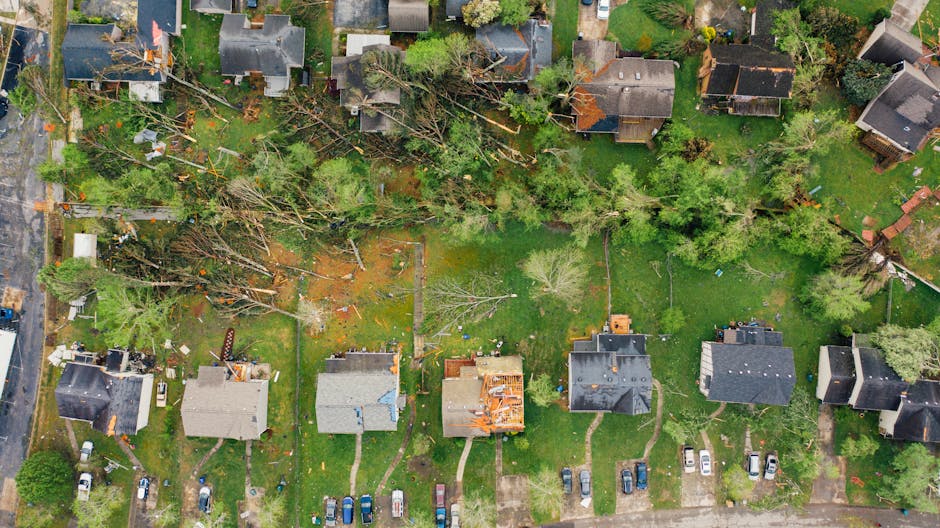
That thunder woke you up at 3 AM. Now it’s morning, and you’re standing in your driveway, coffee in hand, squinting at your roofline. Can you see anything wrong? Maybe. Probably not from where you’re standing.
Here’s the thing about storms around the Tri-Cities. They hit fast and hard. High winds, hail, driving rain. And then they’re gone. You step outside, everything looks fine, and you go back to your day.
I’ve seen that play out more times than I can count. Homeowners in Richland, Kennewick, and Pasco brush off a storm, only to discover signs of roof damage after a storm weeks later when water stains bloom on their ceiling. By then, the repair cost has doubled or tripled.
Let’s change that habit right now. Walk through this list together, and you’ll know exactly what to look for.
Missing Shingles and Bare Spots
Start with your eyes. Walk around your house and scan the roofline from every side. Binoculars help a lot. Look for patches where shingles are completely gone. Missing shingles leave your roof deck exposed to rain and debris.
High wind damage to a roof shows up this way. A storm with gusts over 50 mph can rip shingles off entirely or lift them just enough to break the sealant underneath. Once that seal is gone, water has a path inside.
Don’t stop at bare spots. Look for shingles that are curled at the edges, buckled in the middle, or wrinkled. Those shingles are about to come off, even if they haven’t fallen yet. If you see them scattered in your yard or flower beds, you already know the answer.
Check around vents and chimneys too. These areas are vulnerable because flashing and shingles meet there. Gaps around these penetrations are common after a bad storm.
Granules in Your Gutters and Downspouts
Here’s a clue most people never think to check. Go look at your gutters. Run your finger along the inside. See that black grit that feels like coarse sand? Those are asphalt granules from your shingles.
Hail damage to a roof almost always causes granule loss. Those tiny ceramic particles protect your shingles from UV rays and weather. Lose too many, and your shingles start aging fast. What should have lasted 25 years might only make it 10.
After a hailstorm, check the ground around your downspouts too. Piles of granules there mean a lot washed off. Newer roofs shouldn’t shed many granules at all. If you’re finding piles, something hit your roof hard.
Here’s a tough truth. You can’t replace granules once they’re gone. That section of roofing is already compromised. The only real fix is replacement of the damaged shingles.
Leaks and Water Stains Inside Your Home
Go inside now. Check every ceiling on your top floor. Walk into each room and look up. Any discoloration, peeling paint, bubbling drywall, or yellow-brown stains is a sign of moisture.
Roof leaks after a storm don’t always show up right away. Water can travel along roof decking for several feet before it finds a place to drip down. That stain in your living room might come from a leak three feet away from where you see it.
Check your attic too. Bring a flashlight. Look for wet insulation, dark spots on the wood decking, or any light coming through the roof boards. If you smell musty odors, that’s another sign moisture is already inside.
Small stains today become big problems tomorrow. Mold, rot, structural damage. It all starts with a slow drip you didn’t notice.
Dented or Loose Flashing and Gutters
Your roof is not the only thing that takes a beating. Check the metal flashing around your chimney, vents, skylights, and where the roof meets your walls. Hail dents in flashing are easy to spot. So are bent or separated pieces.
Flashing is designed to keep water out at the seams. When it gets damaged, those seams become entry points. Even a small gap lets water behind your shingles.
Same story with your gutters. Dents in gutters from hail or flying debris mean your roof took similar hits. Loose gutters can pull away from the roofline and let water pool near your foundation instead of draining away.
Don’t ignore damage just because it’s not on the shingles. The whole system works together. A weak point anywhere in the system is a problem.
| Damage Type | What to Look For | Action Needed |
|---|---|---|
| Missing shingles | Bare spots, shingles in yard | Replace missing shingles, check sealant |
| Hail damage | Granules in gutters, dents in flashing | Professional inspection, possible replacement |
| Wind damage | Curled, buckled, or lifted shingles | Re-seal or replace affected shingles |
| Leaks | Ceiling stains, attic moisture, musty smell | Immediate repair, check attic decking |
| Flashing damage | Dents, gaps, separation at seams | Repair or replace flashing |
What to Do When You Find Signs of Roof Damage After a Storm
Found something concerning? Good. You caught it early. Now here is exactly what to do next.
Step one: Get a professional roof storm damage inspection. A licensed roofer sees things you miss from the ground. They check underlayment, decking, flashings, and the overall structure. We offer a thorough roof assessment after a storm that covers every inch of your system.
Step two: Get a roof repair estimate. Know the real cost before you call your insurance company. Most reputable roofers offer free estimates. We do too. Having numbers in hand helps you talk to your adjuster with confidence.
Step three: Document everything. Take photos of damage from multiple angles. Wide shots and close-ups. Save receipts for any emergency repairs you need, like an emergency roof tarp to prevent further water intrusion if the damage is severe. Your insurance company will want this evidence.
Step four: File your insurance claim for roof damage promptly. Most policies have time limits for storm damage claims. Don’t wait weeks to report it. The sooner you file, the sooner the process moves forward.
Step five: Use a roof damage checklist to make sure you haven’t missed anything. Check inside and out. Check your attic. Check your gutters. Check your neighbors’ roofs too. If their roof shows damage, yours almost certainly does as well.
One thing I will say plainly. Do not get on your roof yourself. Wet shingles are dangerously slippery. Hidden damage can make the structure unstable. Leave the climbing to professionals who have safety harnesses and proper gear.
Your roof is your home’s first defense against weather. When a storm tests it, knowing what to look for makes all the difference. Walk the perimeter. Check your gutters. Peek in your attic. And if anything looks off, call someone who knows what they are doing.
If you are in the Tri-Cities area and need help, we are local. We have been through countless storms with homeowners in Richland, Kennewick, and Pasco. We know what to look for and how to fix it right.

Frequently asked questions
How soon after a storm should I check my roof for damage?
Check as soon as it is safe to go outside. Walk around your property and look for visible damage. If you suspect hidden issues, schedule a professional inspection within the first week. The sooner you catch damage, the less water will intrude into your home.
Will my insurance cover roof damage from a storm?
Most homeowner policies cover storm damage caused by hail or wind. You will need to pay your deductible, and coverage depends on your specific policy terms. File your claim promptly and document all damage with photos. Your roofer can help you understand what is typically covered.
Can I stay in my home with a damaged roof?
Yes, as long as the damage is minor and there is no active leaking. If you have roof leaks after a storm, move your furniture away from the affected area and place buckets under drips. For significant damage or large holes, an emergency roof tarp can keep your home dry until repairs happen.
What does hail damage look like on asphalt shingles?
Look for dark circular spots where granules are knocked off. These will look like small bruises on the shingle surface. You may also find granules in your gutters or on the ground below. Hail damage to a roof can be subtle, so a professional inspection is the best way to confirm it.
How much does a roof repair estimate cost?
Most reputable roofing contractors offer free estimates. You should never pay for someone just to look at your roof and give you a price. If a roofer starts asking for an upfront “inspection fee” or “diagnostic charge” just to provide a quote, take it as a massive red flag and walk away. A reliable professional views the estimate as an opportunity to earn your trust and demonstrate their expertise, not as a quick way to squeeze a few extra bucks out of a potential client.